
Empowering CAPS Certified Professionals in Home Design
This specialized online course, “Understanding Floor Plans For CAPS Professionals,” is specifically designed for professionals without a design background but helpful for designers as well as it focuses on understanding and creating safer, more accessible, and effective living environments for individuals aging in place. Whether you’re a healthcare professional, a design expert, or a service provider, this course will empower you to interpret and utilize residential floor plans with confidence.
Course Overview: Interactive Online Learning
This 3-hour, online, real-time, interactive, distance-learning course features live instruction and ample opportunities for questions, engagement, and participation. Led by Master CAPS Instructor Steve Hoffacker, this program offers a dynamic learning experience.
Continuing Education Credits (CEUs)
Earn valuable CE credits upon successful completion. This course is approved for:
- AOTA (American Occupational Therapy Association): 0.3 CEUs (Approval #12125), introductory educational level for Category One, Occupational Therapy Service Delivery.
- APTA (American Physical Therapy Association)
- NAHB/CAPS (National Association of Home Builders/Certified Aging-in-Place Specialist)
- AIBD (American Institute of Building Design)
- NKBA (National Kitchen & Bath Association)
- And other programs or organizations that allow self-reporting.
Note for OTs: This class specifically addresses the needs of occupational therapists as an introductory level course in Contemporary Issues & Trends for Category One, Occupational Therapy Service Delivery, exploring opportunities to leverage your CAPS training for non-clinical home services.
Why Understanding Floor Plans is Crucial for Aging in Place
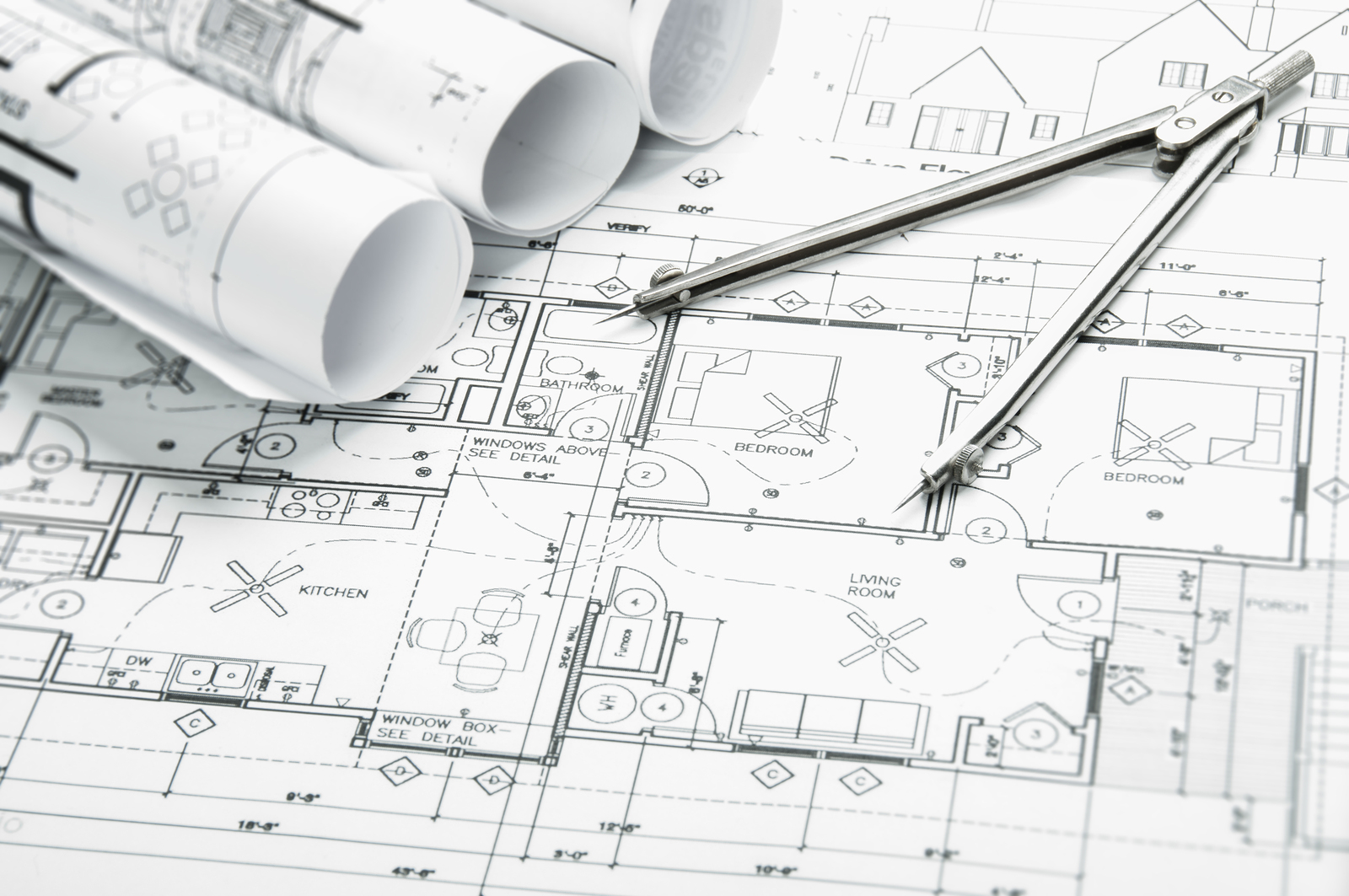
A clear understanding of residential floor plans is fundamental for effectively designing and modifying homes for aging in place clients. This course helps professionals:
- Communicate Effectively: State the importance of residential floor plans for clear communication among all involved parties.
- Interpret Key Features: Recall common symbols for operational and static windows and doors, and describe major dimensional notations.
- Enhance Design Decisions: Cite three key reasons for having a graphic floor plan and compare the benefits of 2D and 3D floor plans.
- Distinguish Plan Types: Contrast construction floor plans with design plans.
- Identify & Illustrate Features: Identify major features depicted in typical residential floor plans and indicate other possible features.
- Demonstrate Interpretation: Learn how to effectively interpret a residential floor plan to provide a safer, better organized, and more effective living environment.
Course Agenda
The program follows a structured agenda to maximize your learning:
- Section 1: Introduction
- Section 2: What Is A Residential Floor Plan?
- Section 3: Interpreting What Is Shown or Depicted
- Section 4: Using The Floor Plan For Design Enhancements
- Section 5: Conclusion
- Questions / Post-Course Evaluation
About the Instructor: Steve Hoffacker
Steve Hoffacker LLC is an AOTA Approved Provider of professional development. Steve Hoffacker, Master CAPS Instructor, developed this original material based on the critical need for CAPS professionals, particularly therapists, to understand residential floor plan designs. Steve receives no compensation from, nor has any financial interest in, any brand names or companies mentioned or referenced in the course.
Frequently Asked Questions
Q: What is this class all about and why was it created?
A: Occupational therapists and others who don’t normally work with residential floor plans often are unfamiliar with the special notations that are used on such plans as a type of shorthand to depict the physical condition. It’s not difficult to learn so this course explains what the notes reveal.
Q: I’m interested in being more knowledgeable about interpreting floor plans and wonder how this will help me?
A: After this easy-to-understand introduction to what is shown on a typical residential floor plan, you should be able to talk with clients and professionals about what is shown and to make and interpret suggestions that they make about modifications or additions to the space.
Q: In general, what types of design elements are addressed?
A: In this introductory format, the typical aspects of a residential design are covered, such as doorway design and sizes, window formats and sizes, cabinetry, basic wiring symbols, room sizes, fixture templates, other design notations, and more. There are some elements left for a more advanced discussion.
Q: Will I learn how to interpret computer aided drawings or just paper prints?
A: You should be able to access and use both types of designs and to specify improvements or edit line or computer drawings when you finish the class. The seemingly secret notations will be understood.
Q: What is the benefit of taking this class?
A: There is a mix of safety evaluations of the physical living space, ones that can be conducted by the consumer in their space, ones more appropriate for health care professionals dealing with balance, gait, and cognition, and others that evaluate how the client uses their home.